

The United States and Iran traded fresh military attacks across the Middle East for a second straight day, raising fears that the fragile truce between the two nations could collapse completely. The latest escalation has increased uncertainty across the region and renewed concerns over global energy supplies and regional security.
The US military confirmed that it carried out a series of defensive operations targeting Iranian military infrastructure, including radar systems, surveillance facilities, and other strategic locations in southern Iran. American officials said the strikes were intended to counter threats against US personnel and interests in the region.
The latest military action came shortly after US President Donald Trump warned that Washington was prepared to intensify its campaign against Iran if a lasting agreement to end hostilities could not be reached. Trump argued that Tehran had delayed negotiations for too long and said additional military action would follow if progress toward peace remained stalled.
Iran responded by launching attacks on American military positions across several Middle Eastern countries. According to Iranian media, the Islamic Revolutionary Guard Corps targeted US facilities in the region with ballistic missiles, including a command centre in Jordan. Military sites in Bahrain and Kuwait also faced attacks for the second consecutive day.
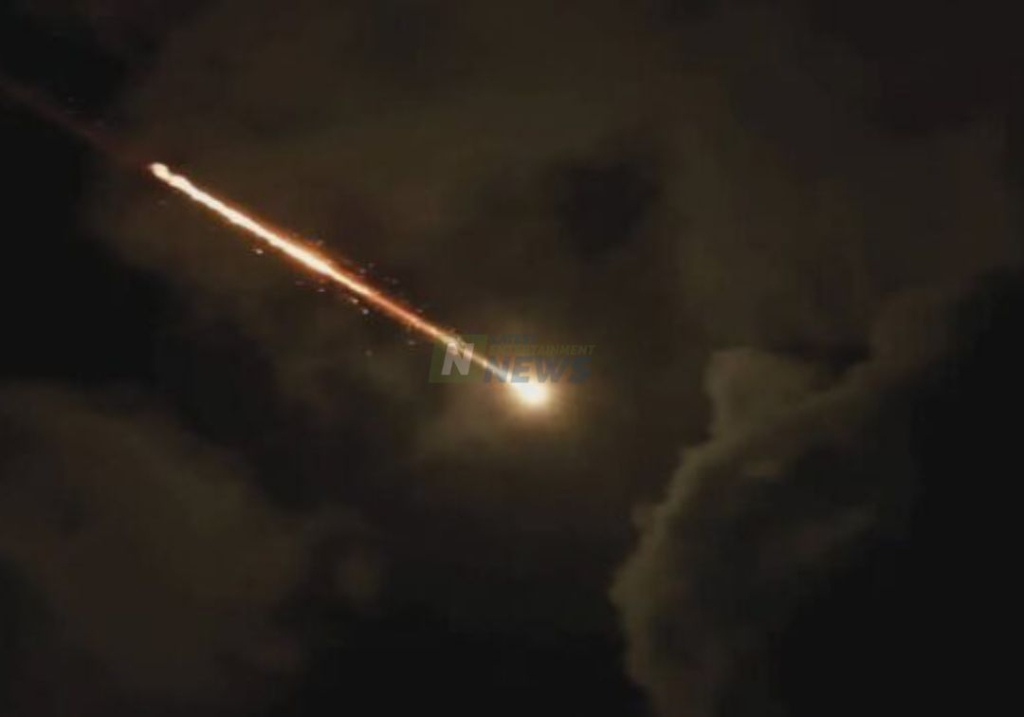
Authorities in Bahrain activated air raid warning systems during the night, while Kuwait’s military reported that its air defence units intercepted incoming aerial threats. As a precaution, Kuwait temporarily suspended air traffic operations following the attacks.
The developments immediately affected global energy markets. Oil prices climbed after reports of disruptions in the Strait of Hormuz and the alleged attacks on shipping. Brent crude, the international benchmark for oil prices, rose by around 2%, reaching nearly $95 per barrel.
US Defence Secretary Pete Hegseth said Iran had been given opportunities to negotiate but failed to reach an agreement, adding that American military operations would continue against important targets if necessary. Trump also repeated that further strikes would take place unless Iran agreed to a peaceful resolution.
Iranian President Masoud Pezeshkian insisted that his country would not give in to pressure or threats, while the Iranian foreign ministry accused the United States of undermining diplomatic efforts through conflicting statements and military actions.
The current crisis follows a ceasefire reached in April that was originally intended to reduce tensions between the two countries. Although the agreement prevented a full-scale conflict, both sides continued to exchange limited attacks over the following months. Recent diplomatic efforts to revive negotiations have failed, leading to a sharp increase in military activity.
Earlier this week, a US helicopter was reportedly brought down in an attack blamed on Iran, prompting further retaliation from both sides. Since then, military operations have expanded across the region, increasing fears of a broader confrontation.
UN Secretary-General António Guterres warned that the Middle East is moving closer to a larger crisis. He said the current situation shows that the ceasefire is rapidly losing its effectiveness and urged all parties to return to diplomacy before the conflict spirals into a full-scale war. Guterres called for an immediate halt to the violence and stressed that dialogue remains the only path to lasting peace.