

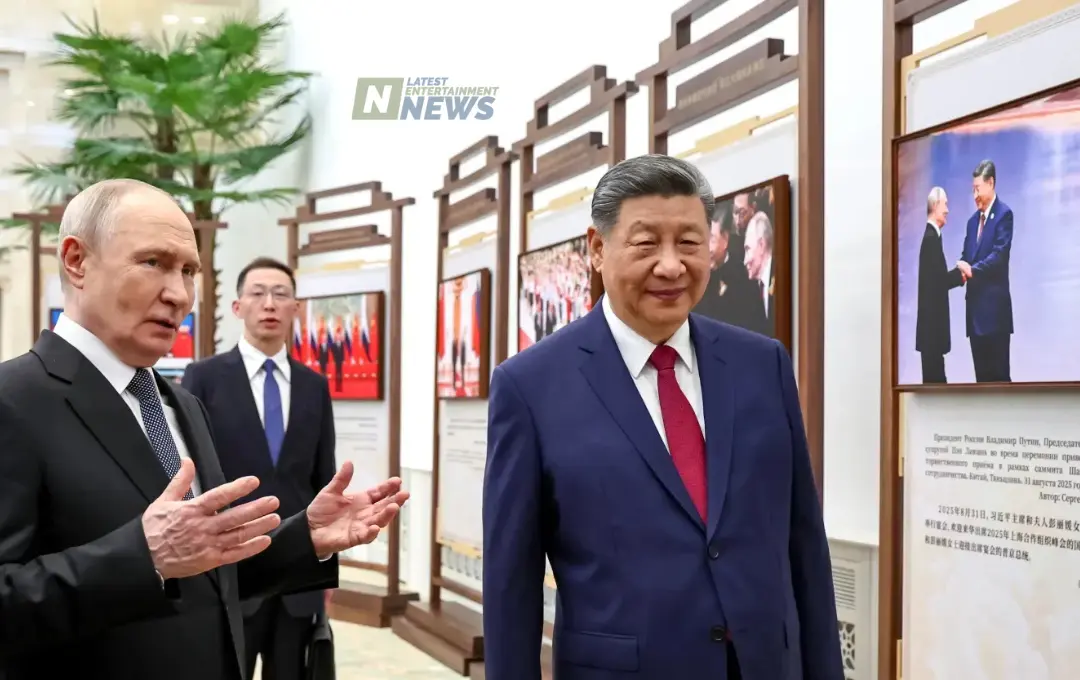
Russian President Vladimir Putin concluded his recent Beijing visit with public displays of unity alongside Chinese President Xi Jinping, multiple cooperation agreements, and promises of stronger future ties. Yet beyond the official ceremonies, the visit also revealed important shifts in the balance of power between the two nations.
From delayed energy negotiations to expanding military cooperation, the summit offered a closer look at how the China-Russia relationship is changing in today’s global political climate.
Major Gas Pipeline Talks End Without Final Agreement
One of the biggest expectations surrounding Putin’s visit was progress on the proposed Power of Siberia 2 gas pipeline project.
Russia has been eager to expand energy exports to China after losing a large portion of its European gas market following the Ukraine war. The new pipeline would allow Moscow to send huge quantities of natural gas directly to China through Mongolia.
However, despite several rounds of discussions during the summit, both countries stopped short of announcing a finalized deal.
Russian officials later stated that technical and financial details still require further negotiations. Analysts believe China is taking a cautious approach, carefully using its stronger bargaining position while avoiding excessive dependence on Russian energy supplies.
Although Xi Jinping praised energy cooperation between the two countries, he avoided specifically mentioning the pipeline during public statements after the meeting.
Beijing And Moscow Expand Cooperation Across Multiple Sectors
Even without a breakthrough on the gas project, the summit resulted in more than 40 agreements covering trade, technology, education, security, and nuclear cooperation.
Both leaders highlighted the importance of their long-term partnership and pledged to deepen strategic coordination in the future.
China currently remains Russia’s largest trading partner, helping Moscow maintain economic stability amid continuing Western sanctions. However, experts point out that the partnership has become increasingly unequal, with Russia now relying more heavily on China for economic support.
Military cooperation was also a major topic during the talks. Both sides agreed to continue joint military exercises, air patrol missions, and naval operations as part of broader defense coordination.
Russia also repeated its support for China’s position on Taiwan, while Beijing continued calling for diplomatic solutions regarding the Ukraine conflict.
Putin’s Visit Came Shortly After Trump’s Beijing Arrival
The timing of Putin’s trip attracted global attention because it happened soon after U.S. President Donald Trump visited China.
Chinese officials organized similarly grand welcoming ceremonies for both leaders, including formal receptions, military honors, and public events in Beijing.
However, observers noticed major differences in the delegations accompanying each president. Trump traveled with top American business executives and technology leaders, while Putin’s team mostly consisted of government ministers and representatives from Russia’s energy sector.
Political experts believe Xi Jinping is carefully managing China’s relationships with both Moscow and Washington in order to strengthen Beijing’s influence on the global stage.
The consecutive visits from Trump and Putin further demonstrated China’s growing role as one of the world’s most influential political and economic powers.
China Emerging As The Stronger Partner
Putin’s latest Beijing visit showed that the relationship between Russia and China remains strong, but it also highlighted how much global dynamics have changed in recent years.
As Russia faces continued international pressure and economic restrictions, China appears to hold increasing leverage in major negotiations and strategic decisions.
While both nations continue presenting themselves as close allies, analysts say Beijing now has greater control over the direction and future of the partnership.