

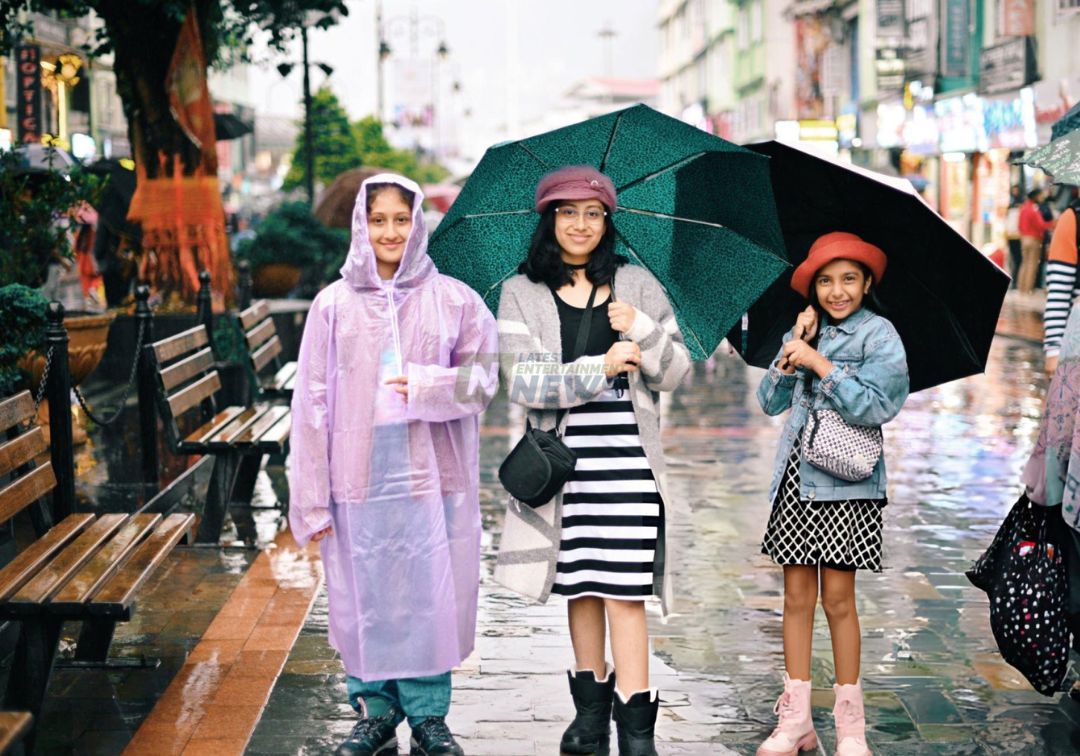
The arrival of the monsoon brings cooler temperatures and relief from the summer heat, but it also increases the risk of several infectious diseases. Health experts warn that stagnant water, high humidity, and contaminated food and drinking water create favourable conditions for bacteria, viruses, and mosquitoes to spread rapidly.
Doctors advise people to take extra precautions during the rainy season, especially children, older adults, pregnant women, and individuals with weaker immune systems, who are more vulnerable to infections.
Dengue and Malaria Cases Often Rise During Monsoon
Mosquito-borne illnesses such as dengue and malaria become more common during the rainy season due to water accumulation in coolers, flower pots, tyres, and other open containers.
People experiencing high fever, severe body pain, chills, headaches, nausea, or unusual weakness should seek medical evaluation without delay. Experts recommend eliminating stagnant water around homes, using mosquito repellents, wearing full-sleeved clothing, and keeping water storage containers covered to reduce mosquito breeding.
Contaminated Food and Water Trigger Digestive Infections
Health professionals also report an increase in food- and water-borne illnesses during the monsoon. Conditions such as typhoid, diarrhoea, gastroenteritis, and food poisoning are commonly linked to unsafe drinking water and unhygienic food.
To lower the risk, experts advise consuming freshly prepared meals, drinking boiled or filtered water, washing fruits and vegetables thoroughly, and avoiding uncovered street food.
Viral Fever and Skin Infections Become More Common
Changing weather conditions and increased humidity can lead to viral infections that cause fever, sore throat, cough, body aches, and fatigue. Moist conditions also encourage fungal skin infections, including ringworm and athlete’s foot.
Maintaining personal hygiene, wearing dry cotton clothing, changing wet clothes promptly, and keeping the skin clean and dry can help prevent these conditions.
Floodwater Exposure Can Lead to Leptospirosis
Medical experts caution that walking through floodwater may expose people to leptospirosis, a bacterial infection spread through water contaminated by animal urine. Symptoms may include fever, muscle pain, headaches, vomiting, and red eyes.
People are advised to avoid floodwater whenever possible, wear protective footwear, and clean any cuts or wounds immediately after exposure.
Simple Daily Habits Can Help Prevent Illness
Doctors emphasise that several monsoon-related diseases can be prevented through basic hygiene and healthy lifestyle practices. Recommended measures include:
- Drink only clean, filtered, or boiled water.
- Eat freshly cooked and hygienic meals.
- Wash hands frequently with soap.
- Remove stagnant water from surrounding areas.
- Include fruits, vegetables, whole grains, and protein-rich foods in your diet.
- Stay physically active with indoor exercise and get adequate sleep to strengthen immunity.
Parents Advised to Take Extra Care of Children
Children are particularly susceptible to seasonal infections during the rainy season. Healthcare professionals recommend ensuring proper hand hygiene, providing nutritious meals, keeping vaccinations up to date, and preventing children from playing in stagnant water.
Symptoms That Need Immediate Medical Attention
Experts advise consulting a healthcare professional immediately if symptoms such as persistent high fever, severe dehydration, breathing difficulty, continuous vomiting, bleeding, extreme weakness, blood in stools, or reduced urine output develop.
Early diagnosis and timely treatment can prevent complications and improve recovery outcomes.
Staying Healthy During the Rainy Season
While the monsoon offers welcome relief from the heat, it also demands greater attention to personal hygiene and preventive healthcare. By maintaining cleanliness, consuming safe food and water, preventing mosquito breeding, and recognising warning signs early, individuals can significantly reduce their risk of seasonal illnesses and enjoy a healthier rainy season.