

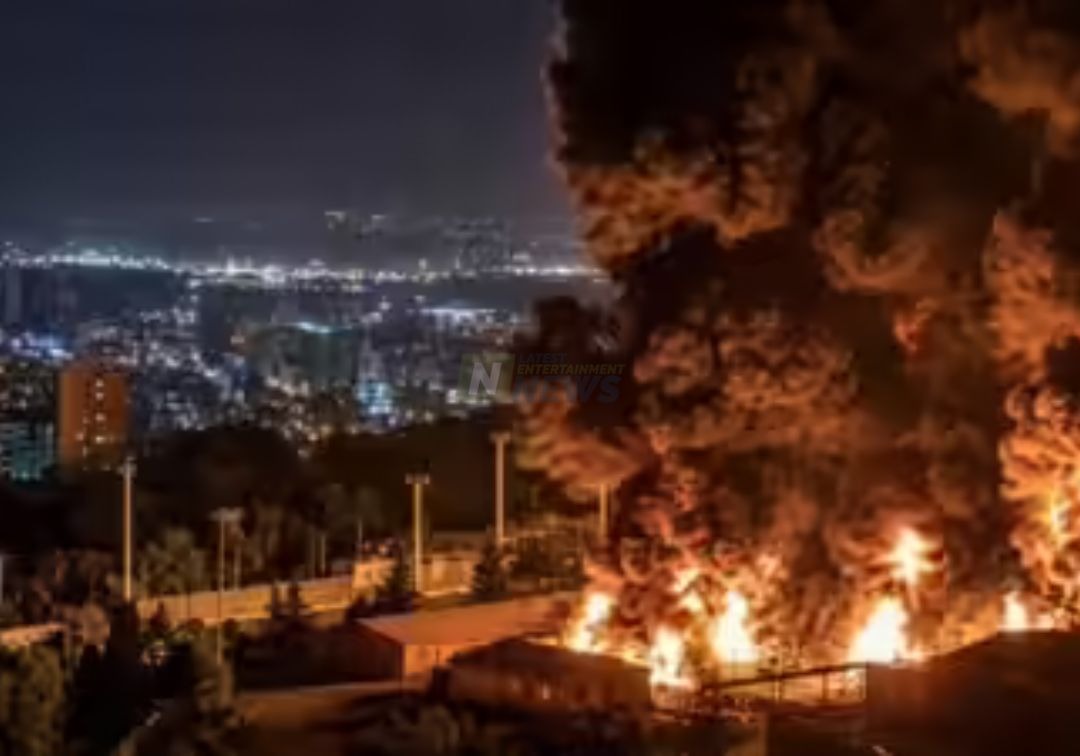
The fragile pause in fighting between the United States and Iran has rapidly unraveled after fresh American military strikes targeted multiple locations across southern Iran, signaling a dangerous new phase in the conflict. The latest attacks have reignited fears of a broader regional war, with strategic areas near the Strait of Hormuz once again becoming the center of military action. According to U.S. military officials, the latest operation was aimed at weakening Iran’s ability to threaten international shipping through the Strait of Hormuz, one of the world’s most important energy corridors. Washington said the action was a response to recent attacks on commercial vessels, arguing that protecting freedom of navigation remains a key objective.
Explosions were reported in several southern Iranian cities, including Bushehr, Bandar Abbas, Chabahar, Jask and Sirik. Iranian media also reported disruptions to electricity in parts of Chabahar, while local authorities confirmed damage in several coastal areas. Initial reports indicated at least one fatality in southeastern Iran, although officials have not yet released a complete assessment of casualties or infrastructure losses. The renewed offensive followed strong remarks from U.S. President Donald Trump, who declared that the ceasefire agreement was effectively over. He warned that additional military action could follow if Iran continued what Washington described as hostile activities against maritime traffic in the Gulf region.
Iran reacted sharply, accusing the United States of violating previous understandings and escalating the conflict instead of pursuing diplomacy. Senior Iranian officials vowed that any further attacks would receive a firm response, increasing concerns that retaliation could extend beyond Iran’s borders and draw more countries into the confrontation. The Strait of Hormuz remains at the heart of the crisis. Roughly a fifth of the world’s traded oil passes through the narrow waterway, making any military escalation there a matter of global economic concern. Energy markets have already shown signs of nervousness as investors monitor the possibility of prolonged disruptions to shipping and oil exports.
International leaders and global organizations have renewed calls for restraint, warning that continued military exchanges could destabilize the Middle East and place additional pressure on already fragile regional security. Diplomatic efforts that had briefly raised hopes for de-escalation now appear to have suffered a major setback. As military operations continue and both sides exchange increasingly tough warnings, the prospect of restoring dialogue looks increasingly uncertain. With tensions once again rising around one of the world’s most strategically significant waterways, the coming days are expected to play a critical role in determining whether the crisis can be contained or expands into a wider regional conflict.