
First Round of Switzerland Talks Marked by Disagreements
The first round of talks between the United States and Iran in Switzerland ended on a tense note as disagreements over the ongoing Lebanon crisis and remarks by US President Donald Trump created friction between the two sides. Although the meeting continued after a brief interruption, the developments highlighted the challenges facing efforts to ease tensions in the Middle East.
High-Level Delegations Attend the Meeting
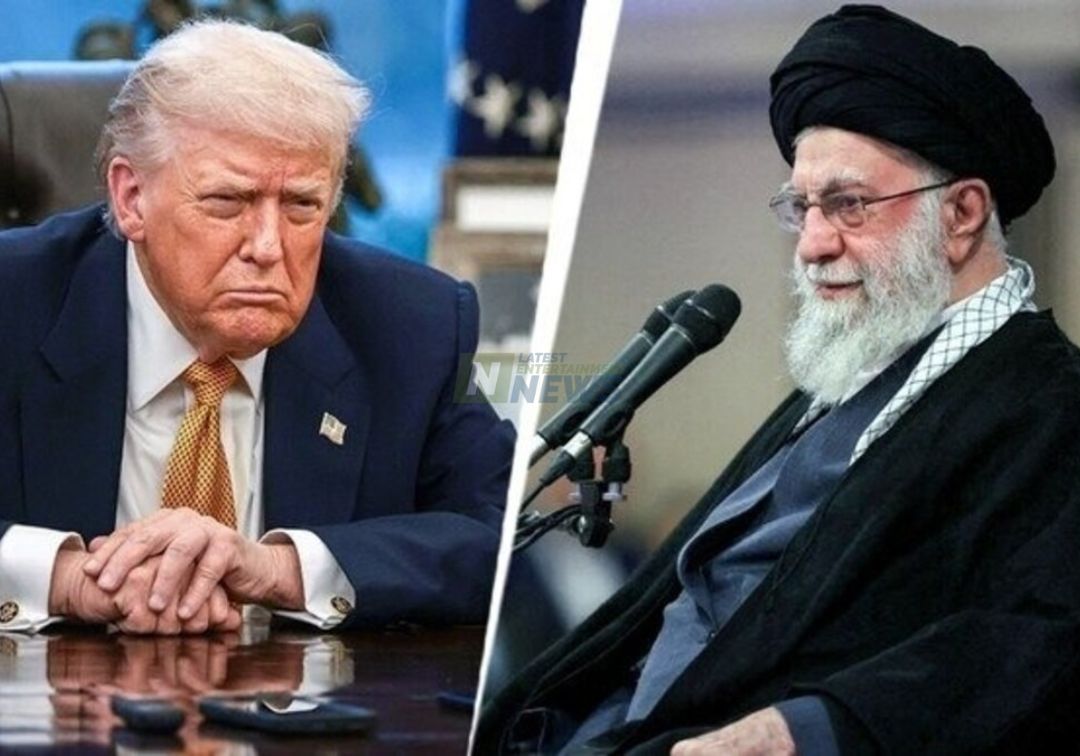
The meeting was attended by US Vice President JD Vance, while Iran was represented by Parliament Speaker Mohammad Bagher Ghalibaf and Foreign Minister Abbas Araghchi. The discussions were organized following a recent interim understanding between Washington and Tehran and aimed at addressing key disputes and exploring ways to end months of regional instability.
Iran Links Progress to Lebanon Situation
Before meeting US officials, the Iranian delegation held separate discussions with mediators from Qatar and Pakistan. Iran later stated that any progress in negotiations would depend on Washington’s commitment to implementing the terms of previous understandings and taking steps to halt Israeli military operations in Lebanon.
Tehran accused the United States of failing to secure a comprehensive ceasefire across conflict zones, arguing that continued military activity in Lebanon demonstrates that commitments have not been fully enforced.
Sanctions Relief and Frozen Assets Discussed
The talks lasted approximately 80 minutes and covered several important issues, including sanctions relief and the possible release of Iranian assets frozen abroad. Diplomats from both countries sought to identify areas where confidence-building measures could be implemented despite ongoing disagreements.
Trump’s Warning Sparks Temporary Walkout
Tensions escalated during the meeting after President Trump posted a message on social media warning Iran to rein in allied groups operating in Lebanon. Iranian officials strongly objected to the statement, prompting their delegation to temporarily leave the meeting room.
The delegation later returned, allowing discussions to continue. Ghalibaf subsequently stated that Washington should exercise greater caution in its public messaging and warned that Iran’s military remained prepared to respond to any threat.
US Says Diplomatic Ups and Downs Are Normal
Responding to the incident, Vice President JD Vance described the walkout as a common occurrence in difficult diplomatic negotiations. He emphasized that setbacks and disagreements are often part of the process and do not necessarily prevent future progress.
Vance also revealed that President Trump had instructed the US delegation to pursue a fresh approach aimed at improving relations with Iran while protecting American interests.
Symbolic Gestures Rejected
The strained atmosphere was evident throughout the meeting. Iranian officials declined to participate in a proposed symbolic handshake and refused to join a joint photograph with the US delegation, signaling the deep mistrust that still exists between the two countries.
Israel Signals Continued Presence in Southern Lebanon
Meanwhile, Israeli Prime Minister Benjamin Netanyahu indicated that Israeli military forces would remain in southern Lebanon for the foreseeable future. He stated that Israel would maintain its security zone as long as necessary to protect national interests.
Netanyahu also suggested that while Israel and the United States remain close allies, they do not always agree on every issue, emphasizing that both countries make independent decisions based on their own security considerations.
Oil Prices Rise Amid Diplomatic Uncertainty
The uncertainty surrounding the US-Iran negotiations had an immediate impact on global energy markets. Brent crude oil prices climbed above $81 per barrel, gaining more than $1 as investors reacted to concerns that diplomatic tensions could further destabilize the region and affect energy supplies.