

Israel carried out a new round of military strikes on targets inside Iran, moving ahead with the operation despite U.S. President Donald Trump’s public call for both sides to avoid further escalation.
According to the Israeli military, fighter jets targeted strategic military facilities in western and central Iran. Iranian state media reported explosions in multiple locations, while officials in Tehran claimed the attacks involved air-launched ballistic weapons aimed at sites on Iranian territory.
The latest strikes come after several days of heightened tensions between Israel and Iran, with both nations exchanging missile attacks that have raised fears of a broader regional conflict.
President Trump had urged Israeli Prime Minister Benjamin Netanyahu to avoid retaliatory action, stressing that another round of attacks could prolong decades of hostility in the Middle East. Speaking to reporters, Trump said both countries had already demonstrated their military capabilities and should now focus on diplomacy rather than further confrontation.
“I don’t think another strike is necessary,” Trump said, adding that his administration remains committed to securing a broader agreement with Iran. He suggested that continued conflict could either lead to stronger economic pressure on Tehran or additional military measures if negotiations collapse.
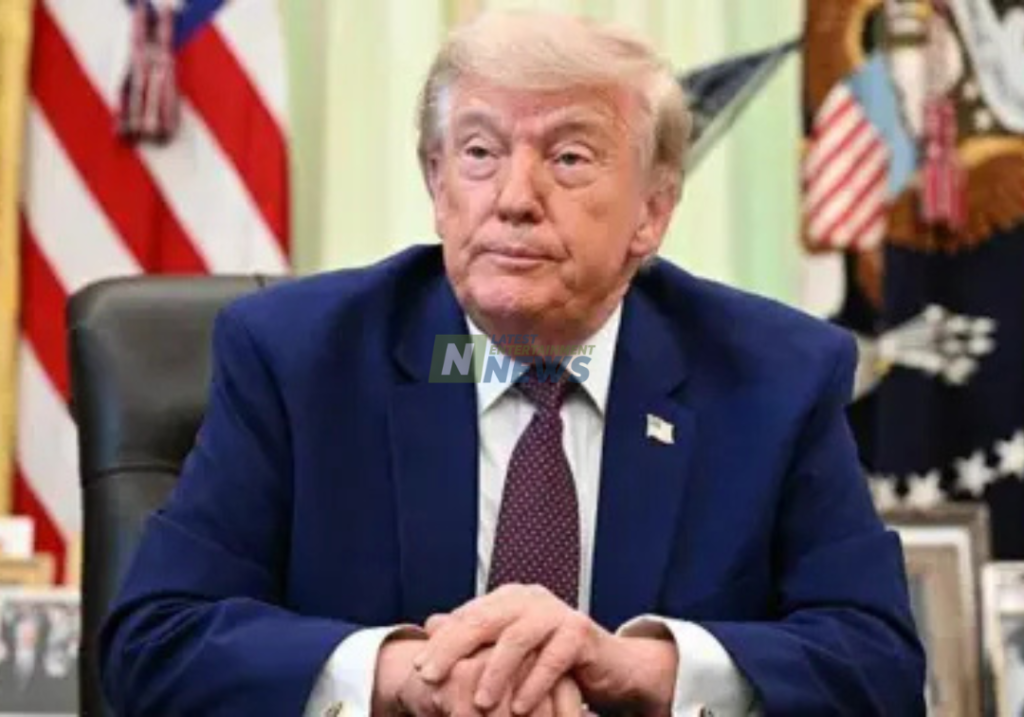
The U.S. president also described recent Iranian missile launches as damaging to ongoing peace efforts and encouraged Tehran to return to negotiations. Trump maintained that a diplomatic breakthrough remained possible despite the latest violence.
Israeli officials, however, defended the military action, saying the country would continue responding to threats against its security. The Israel Defense Forces stated that the strikes were aimed at military infrastructure linked to the Iranian government.
Iran responded with strong criticism, accusing Israel and the United States of violating previous understandings and escalating tensions across the region. Iranian military officials warned that any further attacks would be met with a stronger response.
The developments come amid growing instability involving Lebanon as well. Israel recently carried out strikes in Beirut’s southern suburbs, claiming it was responding to security threats linked to the Iran-backed Hezbollah movement. Lebanese health authorities reported casualties from those attacks, while Hezbollah and Iranian officials condemned the operation.
Israeli military spokesperson Brigadier General Effie Defrin said the country’s air defense systems remain on high alert and that security forces are prepared for additional attacks if necessary. He added that operations against Hezbollah and other perceived threats would continue.
Prime Minister Netanyahu has repeatedly stated that Israel intends to maintain military pressure until it believes the threat from Hezbollah and Iranian-backed groups has been significantly reduced.
The renewed fighting has complicated international efforts to stabilize the region and protect critical trade routes, including the Strait of Hormuz, a vital corridor for global energy supplies. Analysts warn that prolonged conflict could disrupt oil markets and increase economic uncertainty worldwide.
Meanwhile, diplomatic efforts continue behind the scenes as regional and international leaders seek to prevent the crisis from expanding into a wider Middle East conflict. Despite Trump’s optimism about reaching a negotiated settlement, the latest exchange of strikes highlights the fragile nature of the current situation and the challenges facing peace initiatives.
With both Israel and Iran signaling readiness for further action, global attention remains focused on whether diplomacy can overcome the growing military confrontation.